- Whetstone Weekly
- Posts
- Flatlanders, Backcountry, and a Timely Deer Lesson
Flatlanders, Backcountry, and a Timely Deer Lesson
Preparation, perspective, and a note on early enter drop.

Zack Vucurevich
December 17, 2025

Flatlanders, Backcountry, and a Timely Deer Lesson
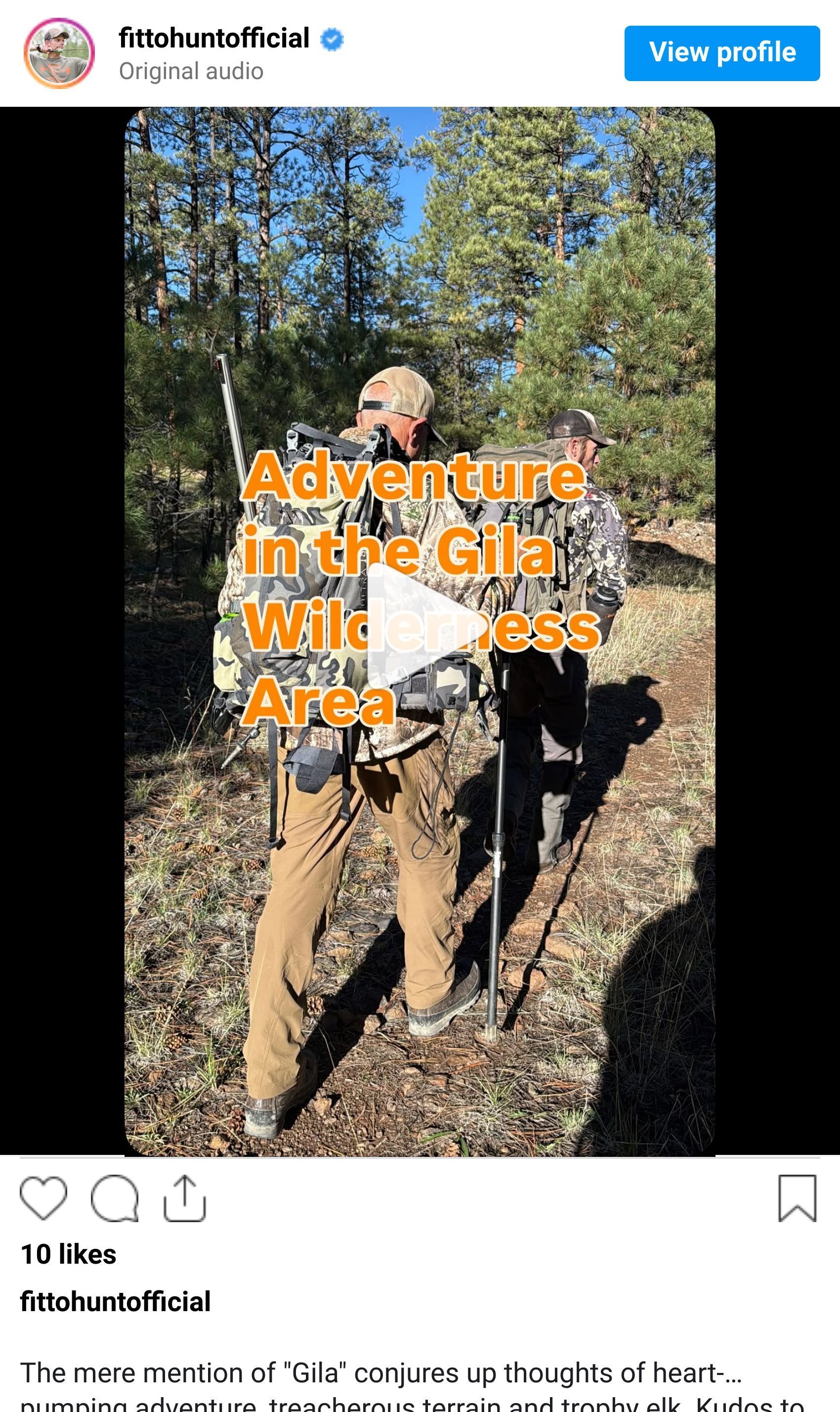
Last week, my dad and I had the opportunity to sit down behind the mic with our good friend Jeremy Koerber from Fit to Hunt. Jeremy invited us on the podcast to talk about our elk hunt this past October in New Mexico and the Flatlander-to-Backcountry training program we completed leading up to that hunt.
If you followed along this fall, you know how much that experience meant to us. It was one of those hunts that lives far beyond the grip-and-grin photo—earned through preparation, time together, and a lot of uncomfortable workouts long before we ever stepped foot in elk country.
I want to sincerely thank Jeremy for the invite and for building a program that actually translates to real-world success in the mountains. Too often, “getting in shape for hunting” is talked about in vague terms. This program gave us structure, accountability, and confidence—especially for two guys who spend most of their time at low elevation. The results spoke for themselves.
If you’re interested in checking out the training programs Jeremy offers, you can find them here:
Fit to Hunt
You can listen to the podcast episode here:
Click to listen to on Apple Podcasts
If a western hunt is on your bucket list—or if you enjoy hearing how preparation off the mountain leads to success on it—I think you’ll enjoy the conversation.
A Seasonal Observation: Early Antler Drop
Before signing off for the week, I want to touch on something I’ve been getting a few questions about from clients up north: early antler drop.
In one recent case, a buck’s antler fell off after the shot. In another, a client sent photos of a buck that had already shed both antlers, with the pedicles clearly scabbed over—meaning he’d dropped well before the photo was taken.
My response in situations like this is usually pretty consistent.
Antler drop is tied directly to declining testosterone levels, which are driven primarily by photoperiod (day length) and stress. Photoperiod is predictable and consistent from year to year, which is why most bucks on a given property tend to shed within a similar window. Stress, however, is the wildcard.
A stressed animal will shed antlers early.
That stress isn’t always obvious in the moment. In many cases, the buck simply rutted exceptionally hard and is flat-out gassed by late December. In other cases, the stressor may have occurred earlier in the year—illness, injury, nutritional shortfall, or environmental pressure that never fully resolved.
Because of that, a one-off early shed buck usually isn’t cause for concern. It doesn’t automatically mean something is wrong with your habitat or management program.
What does raise a flag is when most or all of the mature bucks on a farm are shedding before the end of December, especially if that pattern repeats year after year. That often points to an underlying issue—chronic stress, excessive deer density, or limited late-season nutrition—that’s worth a closer look.
As with most things in habitat and herd management, patterns matter far more than isolated observations.
Merry Christmas
I don’t anticipate sending out a Whetstone Weekly over Christmas week, but I do want to wish you and your families a Merry Christmas. I’m grateful for the continued support, conversations, photos, and trust you all share with me throughout the year.
While I’ll be spending time with family, I’m still fielding calls and scheduling habitat consultations for the new year. If winter planning, herd evaluation, or long-term habitat work is on your radar for 2026, now is a great time to get on the calendar.
Thanks for following along, and I’ll see you on the other side of the holidays.